
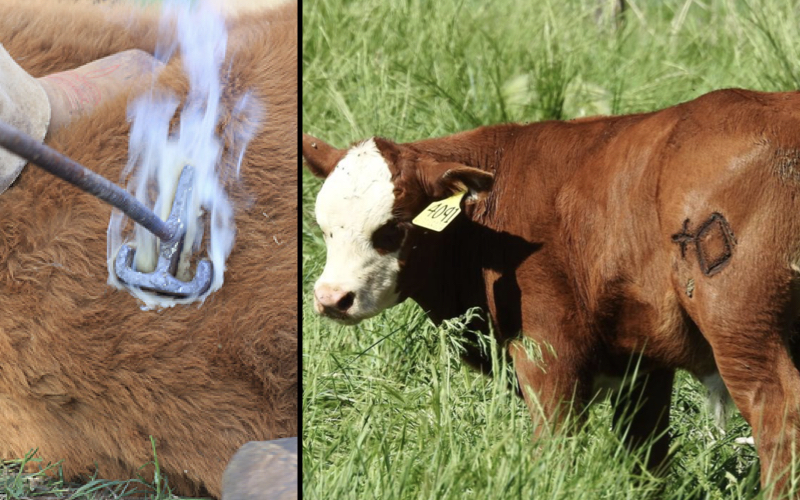
This is also true of our organizations, projects, and individual products that we are working on. These four basic branding principles will happen naturally even if you don’t think about it. So, instead of ignoring a good “brand,” learn something about it and then be intentional to establish clearly what you want people to see in your identity right from the start. Once you know your branding clearly you can own that as part of your product identity and more clearly communicate it to others.
The word “brand” is simply a clear marker to identify the ownership of something and indicate where it originates from. Most commonly, a brand is used in rural agricultural communities to mark their cattle in case they get lost or stolen so the neighbor farmers can quickly look at the brand and return animals to the rightful owner. If being sold at the market, the brand will indicate the quality of the cattle to the buyer as it relates to a certain reputable seller. A cattle brand is part of the farmer’s personality as it reflects on him and his “product.”
In the media arena, a brand is something that unites all the ways our product connects with our audience/customers. A brand even has a character and personality that communicates and connects your product’s entire public identity. More on that in Part 2 on advanced principles in branding, coming soon…
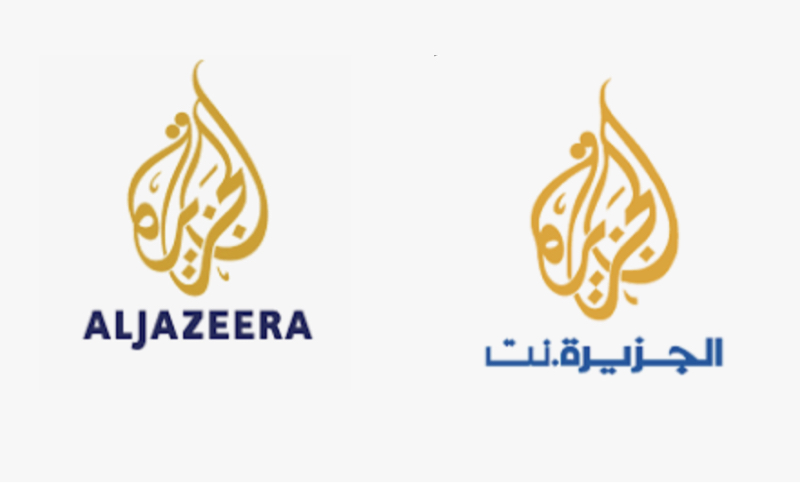
Principle – A clear name. What do you call your product? Think of the right word/words so that it is beautiful, simple, straight-forward, honest, and captures the essence of your product efficiently. If your product name is confusing or borrowed from another language this can be a problem for a long time, haunting its effectiveness. AlJazeera English TV was a new brand established in 2006 based on the original AlJazeera Arabic TV news channel. But nobody knows that the Arabic word means “peninsula.” They simply used the same word Anglicized in order to keep the connection with the original brand. Was that the right choice or not, time will tell. But the word has no meaning in English and they might do well to think of a captivating English name if they are broadcasting to an English-speaking audience. As you work on a good name consider if you are offering a Product or Service. The name should clearly and concisely reflect what you are and what you are not. What or who is your product?
A good exercise is to brainstorm a few names and then Google them to see what else is out there. Research your proposed brand name thoroughly. Today there are so many products available it is difficult to find a truly unique name that nobody else uses. Be thoughtful and wise about this because the name you choose might just closely associate you with something you want to distance yourself from.
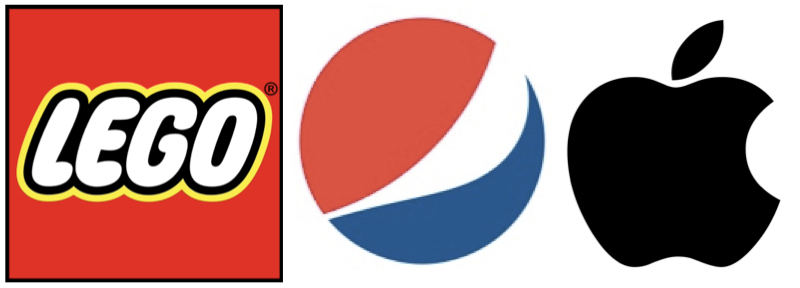
Principle – An eye-catching logo. Your audience will first see your logo or read your name, one or the other. So ask yourself, what you can do to increase the likelihood that they will they remember it well. The logo should be a quickly identifiable picture or graphic and is often the same word as your name but in a certain color or stylish font. That is the simplest way to do it but can take up a lot of space if you have a long word for your name; and that makes it really difficult to then place the logo as an icon on an app, website, or social media page. Your logo mark can be also designed as a snapshot, simple image, or symbol that is easily recognizable to your audience. An over-designed busy logo can create confusion and cause your audience to have to study your logo closely to figure out what it is. That is not a good first impression. Consider paying a graphic designer to help you with this. It is important! Notice how simple these logos are…
Principle – A meaningful tagline. This is often paired closely with your product name and logo and is typically a concise phrase. It reinforces or elaborates on your brand name. Don’t get too explanatory or draw it out into a long vision or mission statement. A tagline is meant to be long-term and stable to create brand recognition over the years, establish your position, and help the audience remember. Not to be confused with a slogan that is short-term and can change based on various new marketing campaigns. You want your tagline to be etched in your audience’s memory representing the brand’s core identity embodying it’s essence. Here are some popular taglines…
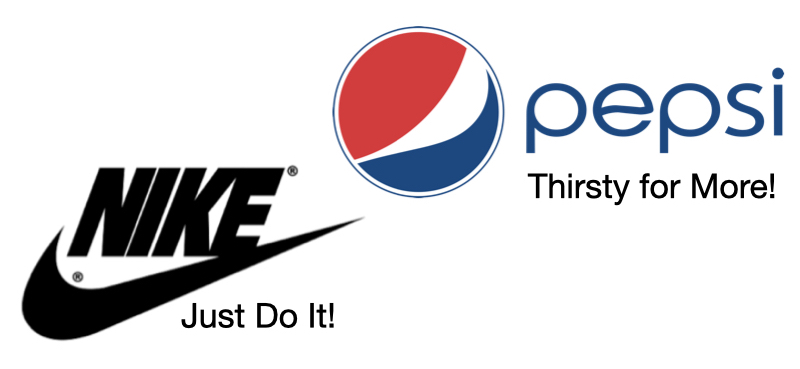
Principle – Lively color scheme. You will also choose a color whenever you start writing out your product name. As soon as you start working on your product or put it into a pitch or presentation, this will happen. Decide this early in your product creation process. If your design scheme includes more than one color, ask yourself why? Maybe your product will catch more attention and highlight the essence of your brand better if you choose two complementary colors in a palette. Looking again at the logos above, most of them have at least two colors with the exception of Apple and Nike; but even then, the black apple has to sit on a white background to make it really stand out. (The original Apple logo had many colors in it and has since been simplified).
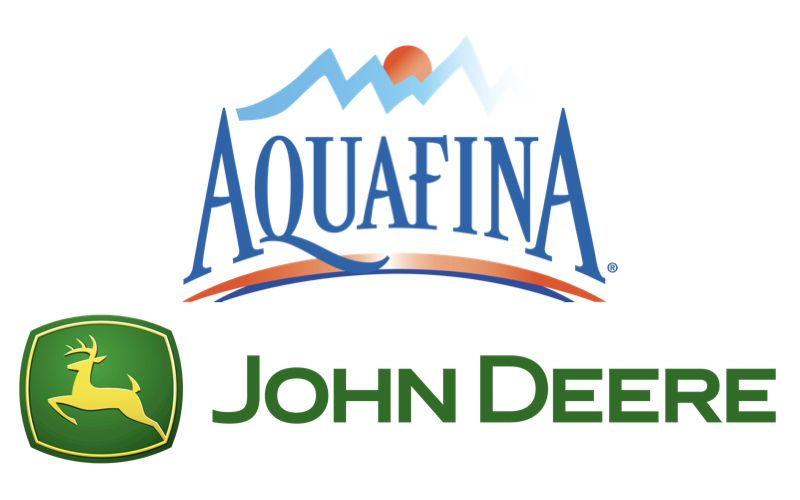
Which colors connect with and illustrate your product? This can depend on the culture of the audience you are serving. So do some anthropological research on the various meanings of colors. For example, in some cultures, green is likely a good color for many agricultural products to indicate flourishing life and growth. [Ex. John Deere] Blue is a great color to go with a water-based product showing freshness, cleanliness, and purity. [Ex. Aquafina]
I hope these four principles will get you thinking intentionally about your brand. If you already have a product, go back and evaluate the choices you made. Did they just come to you without thinking—on inspiration? Or did you strategically plan out what you wanted your audience to notice first off and feel about your product? You may not be able to change your name, but certainly some color tweaks and a nice font choice could greatly enhance your product. Your brand is much more than simply a name and logo. Think about it and plan well.
Submitted by Stephen M. Coats
(SIL Global Media Consultant)
Originally published by the International Media Services at SIL Global May 2025
That’s such a good point – it really does feel like the initial moments set the tone for everything that follows.